Explore the latest technical articles, warehouse automation trends, industrial robotics innovations, and practical guides from our engineering team.
Choosing K3 Sprinkler Guards is a small decision with real consequences. A guard must protect the sprinkler from impacts without interfering with its discharge or heat response. The right choice starts with the exact sprinkler model—not just the K-factor or the shape of the frame.
Before comparing products, check the sprinkler manufacturer’s documentation. Confirm that the guard is listed or approved for that specific model, orientation, and installation. A cage that looks compatible may still sit too close to the deflector or obstruct water flow. Look closely at the attachment points, too. A loose bracket can rattle above a busy loading area; a poorly fitted guard can create a different risk.
The seven tips in this guide cover model compatibility, listing and approval, materials, fit, clearance, installation, and maintenance. Each one helps narrow the choice. None replaces the manufacturer’s instructions or review by a qualified fire-protection professional. Conditions matter. A damp washdown room needs different corrosion considerations from a dry office corridor.
One important note: no source article or verifiable expert quotation was provided, so I won’t invent a named specialist’s words. That matters in fire protection, where confident-sounding advice can be mistaken for approved guidance. Use these tips as a practical checklist, then verify the final guard against the sprinkler’s documentation. A careful pause now is better than discovering a mismatch after installation.
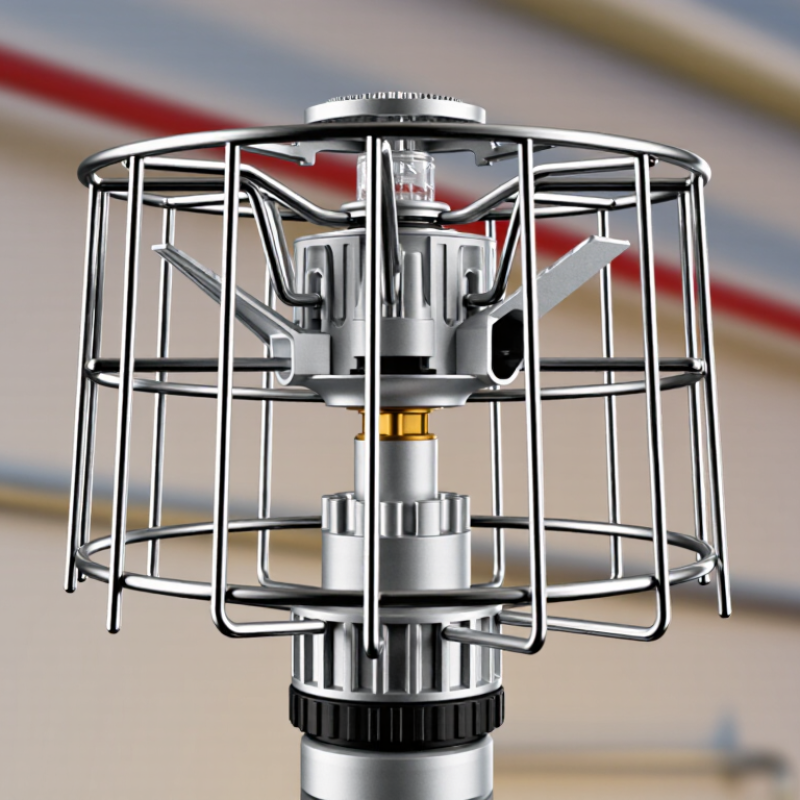
7 Tips for Choosing K3 Sprinkler Guards
Understanding K3 Sprinkler Guards and Their Protective Role
A K3 sprinkler guard is a physical barrier around a sprinkler head. Its purpose is simple: reduce damage from accidental knocks, tools, or moving equipment. In a storeroom, a dropped carton may hit the guard instead of the sprinkler. That protection matters, but a guard must not block water flow or interfere with the sprinkler’s heat response. It is not a dust cover. Check that the guard is compatible with the exact sprinkler model and installed as directed. One easy-to-miss detail: clearance. A bent cage that touches the deflector or frame can create problems.
NFPA’s 2017 report, U.S. Experience with Sprinklers, found that sprinklers operated in 92% of fires large enough to activate them. They were effective in 96% of cases when they operated. These figures describe sprinkler systems, not guard performance; guard-specific results should not be inferred from them. Still, they show why keeping each head able to operate matters. During inspections, look for loose fasteners, corrosion, paint, and stored goods pressing against the guard. Replace damaged parts with compatible components, and follow the sprinkler and guard instructions. A guard helps with impact, not poor maintenance.
| Tip | What to Check | Why It Matters | Practical Selection Guidance |
|---|---|---|---|
| 1. Confirm sprinkler compatibility | Identify the sprinkler model, orientation, frame shape, and deflector position before choosing a guard. | Guards are not universally interchangeable. A poor fit can interfere with the sprinkler or make installation unreliable. | Use the sprinkler manufacturer’s compatibility information or consult a qualified fire-protection professional. Do not assume a guard fits every K3 sprinkler. |
| 2. Match the hazard to the protection needed | Consider exposure to impacts from carts, stored materials, equipment, or routine activity. | A guard’s protective role is to reduce the risk of physical damage to the sprinkler. It does not make the sprinkler suitable for every hazard. | Select a listed or approved guard intended for the application, where required. Keep sprinklers protected from foreseeable impacts without obstructing them. |
| 3. Check clearance around the deflector | Verify the required distance from the sprinkler deflector to ceilings, storage, fixtures, and other obstructions. | Obstructions can disrupt water distribution and affect sprinkler performance. | Follow the applicable sprinkler instructions, fire-protection design, and local code requirements. A guard must not be used to justify reduced clearance. |
| 4. Choose suitable guard construction | Review the guard material, finish, strength, and suitability for the installation environment. | Corrosion, damage, or unsuitable construction can shorten service life or affect the guard’s protective function. | Consider moisture, temperature, and potential corrosive exposure. Use a guard specifically designed for sprinkler protection rather than an improvised cover. |
| 5. Preserve water distribution | Check that the guard does not contact or cover the sprinkler’s operating parts or obstruct the discharge pattern. | Sprinklers need an unobstructed path to distribute water as designed. | Install only a compatible guard in the specified position. Do not bend, modify, paint, or attach objects to the sprinkler or guard unless the instructions permit it. |
| 6. Verify attachment and installation | Check the specified mounting method, fasteners, and installation steps. | Incorrect attachment may leave the sprinkler unprotected or interfere with its operation. | Follow the guard and sprinkler instructions. Have installation performed or checked by qualified personnel in accordance with applicable requirements. |
| 7. Inspect after installation and during maintenance | Look for looseness, deformation, corrosion, debris, paint, and signs of contact with the sprinkler. | Damage or buildup can compromise protection or obstruct the sprinkler. | Include guards in routine fire-protection inspections. Replace damaged guards and have any affected sprinkler assessed by qualified personnel. |
Check the sprinkler label or installation records. Note whether it is pendent, upright, or sidewall. Keep it installed.
No. K3 alone may not identify a compatible guard. Compare the exact sprinkler model and orientation with the guard’s fit range.
Measure the sprinkler’s width and height, plus the distance from its mounting surface to the deflector. Check how far the frame projects into the room. Small differences matter.
Confirm where the guard attaches: the sprinkler frame, a nearby fitting, or another approved point. It must not cover the deflector or obstruct water discharge. Check the installation instructions.
Galvanized-steel wire suits many indoor spaces, but damaged coatings can expose metal to moisture. Stainless steel may suit damp areas and cost more. Polymer is lighter; check its specific heat and impact suitability.
Look for secure attachment, smooth edges, and clearance around the deflector. A close-fitting cage can help protect against carts, ladders, or stored items. Looks can mislead.
A guard can help reduce accidental contact, but it cannot fix poor placement or missed maintenance. It must not interfere with discharge or heat response. I would not assume it adds protection without a proper fit.
Pause if the model label is unreadable or measurements are uncertain. Ask a qualified professional to verify compatibility. It may feel overly cautious, but guessing is worse.
Choosing the right K3 Sprinkler Guards starts with understanding how they help protect sprinkler heads from accidental impact while allowing them to function as intended. First, identify the sprinkler type and check its dimensions, position, and mounting requirements so the guard will fit without interfering with coverage or installation. Compare available materials and designs, considering the level of protection needed for the location and the demands placed on the equipment.
Before making a selection, confirm that the guard is suitable for the applicable requirements and the surrounding environment, including exposure to moisture, dust, or frequent activity. Also consider how securely it fits, how well it is built, and whether it can be inspected and cleaned easily. Weighing durability, maintenance needs, and overall value together can help you choose a practical guard that protects the sprinkler while supporting reliable, long-term use.